The Hidden Costs and Operational Risks of Disconnected Legacy Systems
Australian logistics providers are under mounting pressure to deliver reliable, compliant, and cost-effective services in a market that never stands still. Yet, many operations remain shackled by legacy transport systems—platforms designed for a different era, often supplemented by spreadsheets, manual paperwork, and a patchwork of standalone tools. For operational leaders, these disconnected environments introduce risk at every level: from escalating administrative costs and lost productivity to compliance exposure and missed growth opportunities.
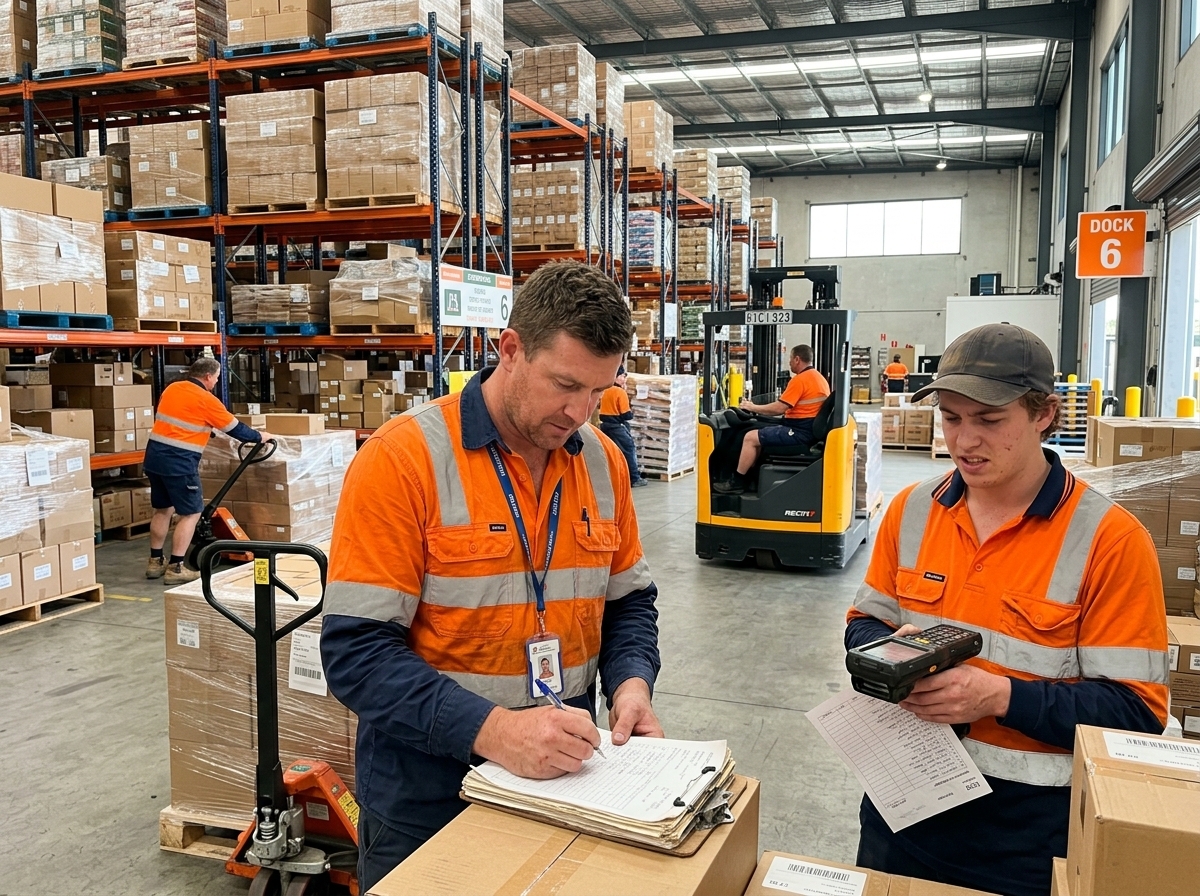
Disconnected legacy systems force operational teams into time-consuming workarounds. When dispatch, warehouse, and finance platforms do not talk to each other, staff must double-handle data, reconcile discrepancies, and chase paper trails. This fragmentation creates delays in job allocation and invoicing, increases the risk of human error, and erodes the confidence of both frontline staff and customers. The practical impact? Admin hours rise, real-time visibility is lost, and the ability to respond swiftly to disruptions or customer requests is severely restricted.
These operational inefficiencies are not just internal headaches—they directly shape the company’s external reputation. In a sector where key accounts demand transparency, reliability, and compliance, lagging behind with outdated technology means risking customer trust and contract retention. The costs are cumulative: missed deadlines, billing disputes, increased overtime, and the ever-present threat of compliance breaches that can jeopardize both reputation and margin.
How System Fragmentation Impacts Compliance, Agility, and Customer Service
Legacy system silos do more than slow down day-to-day tasks—they actively undermine three pillars of modern logistics management: compliance, agility, and customer experience.
1. Compliance Risk: Maintaining regulatory compliance in Australian freight is a non-negotiable. Disparate systems make it exceptionally hard to track driver credentials, vehicle registration, and subcontractor requirements in real time. Without automated checks, non-compliance can slip through the cracks until it’s too late. For example, if licence renewals, insurance policies, or vehicle registrations are managed in separate spreadsheets, leaders lose the ability to validate these essentials at the point of job allocation. This exposes the business to Chain of Responsibility (CoR) breaches and costly interventions from regulators.
2. Lack of Agility: In today’s volatile operating environment, logistics leaders must be able to rebalance workloads on the fly. When route changes, late arrivals, or breakdowns occur, rigid systems make it difficult to quickly reallocate jobs, inform customers, or update drivers. Manual whiteboard or spreadsheet scheduling might have sufficed in the past, but they lack the speed and data integration necessary for effective exception management. As a result, issues are often spotted too late—leading to missed pickups, late deliveries, and dissatisfied customers.
3. Customer Service Shortfalls: Modern shippers expect real-time visibility and proactive communication. Legacy systems rarely provide the operational dashboards or automated notifications required to keep customers informed throughout the freight journey. When customer service teams are forced to check multiple systems or chase down paper PODs, response times suffer. This not only erodes customer satisfaction but also burdens staff with avoidable admin, reducing time available for value-added service or growth initiatives.
Case in Point: A mid-market Australian carrier struggled with job allocation and compliance management across a legacy TMS, manual spreadsheets, and a standalone rating tool. Inefficiencies multiplied: job reconciliation became a daily burden, billing errors led to revenue leakage, and compliance validation was a manual afterthought. After migrating to an integrated platform, the company eliminated double data entry, automated compliance checks, and achieved real-time operational visibility—demonstrating how a unified approach can solve longstanding pain points.
The Path Forward: Integrated TMS as the Foundation for Modern Logistics Excellence
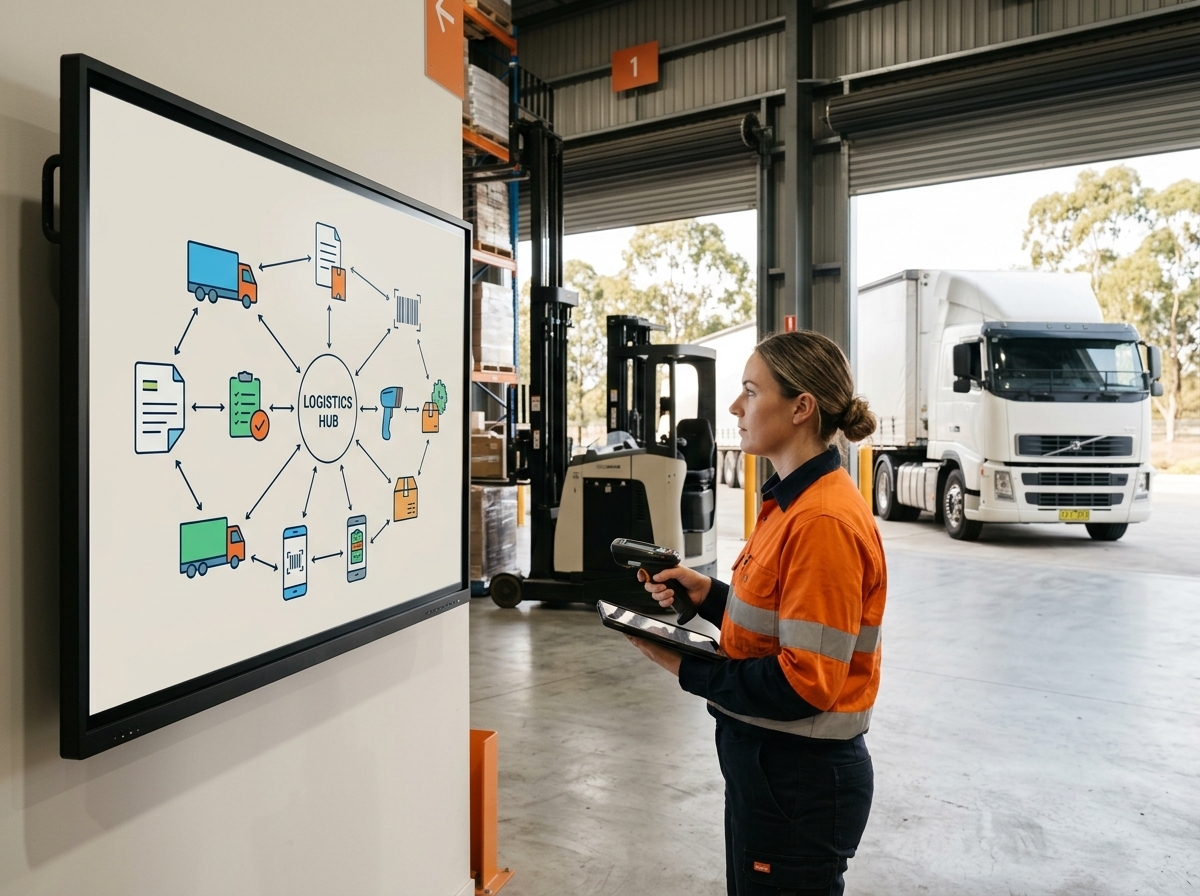
For logistics providers committed to operational integration and sustainable growth, an end-to-end Transport Management System (TMS) is no longer a nice-to-have—it is a business imperative. Platforms like Jaix are built to unify dispatch, warehousing, compliance, and finance in one environment, providing a single source of truth across the entire freight operation.
Key Advantages of an Integrated TMS:
- Consignment Creation and Manifest Management: Streamlines bookings and dispatch, reducing manual entry and ensuring all consignments are accurately documented from the outset.
- Automated Compliance Validation: Driver licences, subcontractor insurance, and vehicle registrations are checked in real time—protecting the business from non-compliance and providing auditable records for regulatory and board reporting.
- Load Planning and Job Allocation: Sophisticated algorithms optimise freight allocation and driver runs, maximising asset utilisation and enabling rapid response to late changes or exceptions.
- Real-Time GPS Tracking and Exception Management: Leadership teams gain live visibility of every vehicle and consignment, surfacing delays, breakdowns, or missed picks instantly for fast intervention.
- Integrated Accounts and Billing: Automated invoice generation from consignment data eliminates revenue leakage and reduces disputes, while finance and operations share a common database for seamless reporting.
- Paperless POD Capture and Instant Notification: Digital proof of delivery accelerates the invoice cycle and improves service transparency for customers and internal stakeholders alike.
- Powerful Reporting and Dashboards: Customisable, role-based dashboards put key KPIs and exceptions front and centre, supporting proactive management rather than reactive firefighting.
Strategic Outcomes:
- Significant reduction in admin hours and manual rework
- Near real-time visibility of operational performance and exceptions
- Measurable improvements in DIFOT, customer satisfaction, and compliance metrics
- Scalable processes that support growth and systemise excellence
Why Jaix? Jaix delivers a full-stack ERP specifically for the complexity of Australian freight. Its strength lies not just in breadth—covering linehaul, PUD, warehousing, fleet, and accounts—but in deep integration. With 40 years of local domain expertise, a long track record of customer retention, and active R&D toward a cloud-enabled future, Jaix provides a natural migration path for operators still running on maintenance-mode platforms. For decision-makers seeking to move from operational chaos to command, an integrated TMS is the foundation for lasting logistics excellence.
Conclusion
The operational risks and limitations of legacy, disconnected systems are too great to ignore in today’s competitive, compliance-driven freight environment. For logistics leaders aiming to drive efficiency, strengthen compliance, and deliver customer excellence, investing in an integrated, Australian-built TMS is the proven path forward.
Adopting unified technology is not just about replacing old systems—it is about empowering teams with real-time visibility, automated workflows, and data-driven management. By moving beyond legacy constraints, logistics providers free themselves to focus on growth, innovation, and delivering the service levels that win and retain key contracts in the Australian freight sector.